


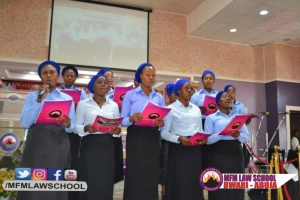
 HYMNAL SERVICE 2nd June, 2019
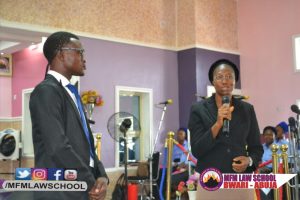
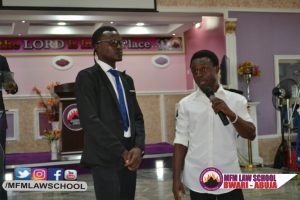
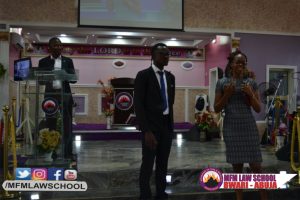
Today the Mountain of Fire and Miracles Ministries North Central Region 41, Law School Bwari Abuja, held her Soul For Christ/Hymnal Service. It was indeed a grate moment in the presence of God as various hymns were sang beginning from the opening prayer session down to the closing prayer. Law School Student who were present gave testimonies of how a hymn or the other has affected their life positively, presentation and ministration from the Glorious women choir, the church orchestra and the adult choir were also entertained. Below is a brief explanation of the meaning and importance of hymn.
What is Hymn?
A hymn is a religious song, especially one praising God. People often sing hymnsduring church services.
The word hymn comes from the Late Latin hymnus, “song of praise,”. God’s people have sung hymns in honor of the Almighty since the time of Moses and before (Exodus 15:1). David sang the “new song” God gave him and taught others to sing “a hymn of praise to our God” (Psalm 40:3). Jesus and His disciples sang a hymn together at the Last Supper (Mark 14:26). The early 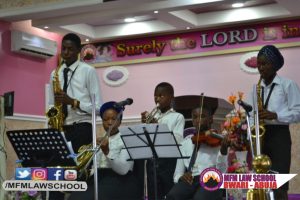 church sang hymns as part of their regular gatherings (1 Corinthians 14:26). Paul and Silas, with their feet in stocks in a Philippian jail, were “praying and singing hymns to God” (Acts 16:25)
Why do we sing hymns?
Hymns remind us that we don’t worship to attract unbelievers. Hymns don’t mimic popular style in word or music. They are distinctively different songs with a distinctively different vocabulary for a distinctively different covenant people.
Hymns teach theology. This must be the first reason. Biblical scholar Gordon Fee says, “Show me a church’s songs, and I’ll show you their theology.” And if that’s true, we should be horrified at the sorts of things we’ve let ourselves get away with singing. 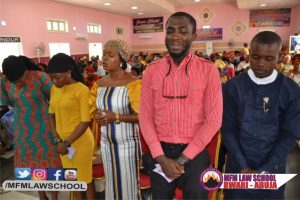 Hymn-singing continues the didactic function of corporate worship by adding a new dimension to the beautiful truth of the Christian story. If the songs we sing don’t inform, enrich, or edify our faith and mission, they simply aren’t worth singing. Bad worship begets bad theology. Bad theology begets a weak church. If we are what we sing, we should begin with the wealth of hymnody that has endured.
Hymns were written for congregational singing. Here’s where it tends to get especially sticky. As I’ve written before, commercial worship songs are written in a style borrowed from the recorded tradition. Thus, they are written for individuals and small groups to perform, not for a congregation to sing together. This presents a bunch of issues that are prohibitive of unified congregational singing. The congregation is forced to try to follow the performer’s ad libbing whims in all aspects of melody, rhythm, and tempo. Often, they are singing in a range that might fit the performer’s, but is too large or extreme for the general.